
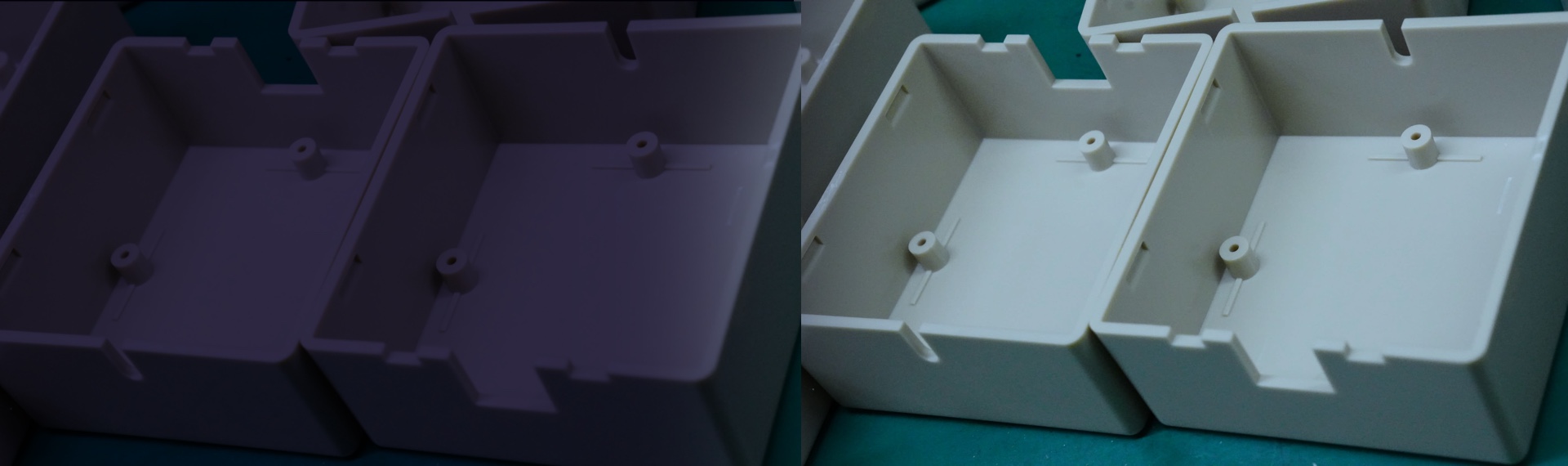
One-Stop BOX Build Service, Makes Full-Process More Efficient & Hassle-Free.
To Co-Create New Heights in Electronic Manufacturing.
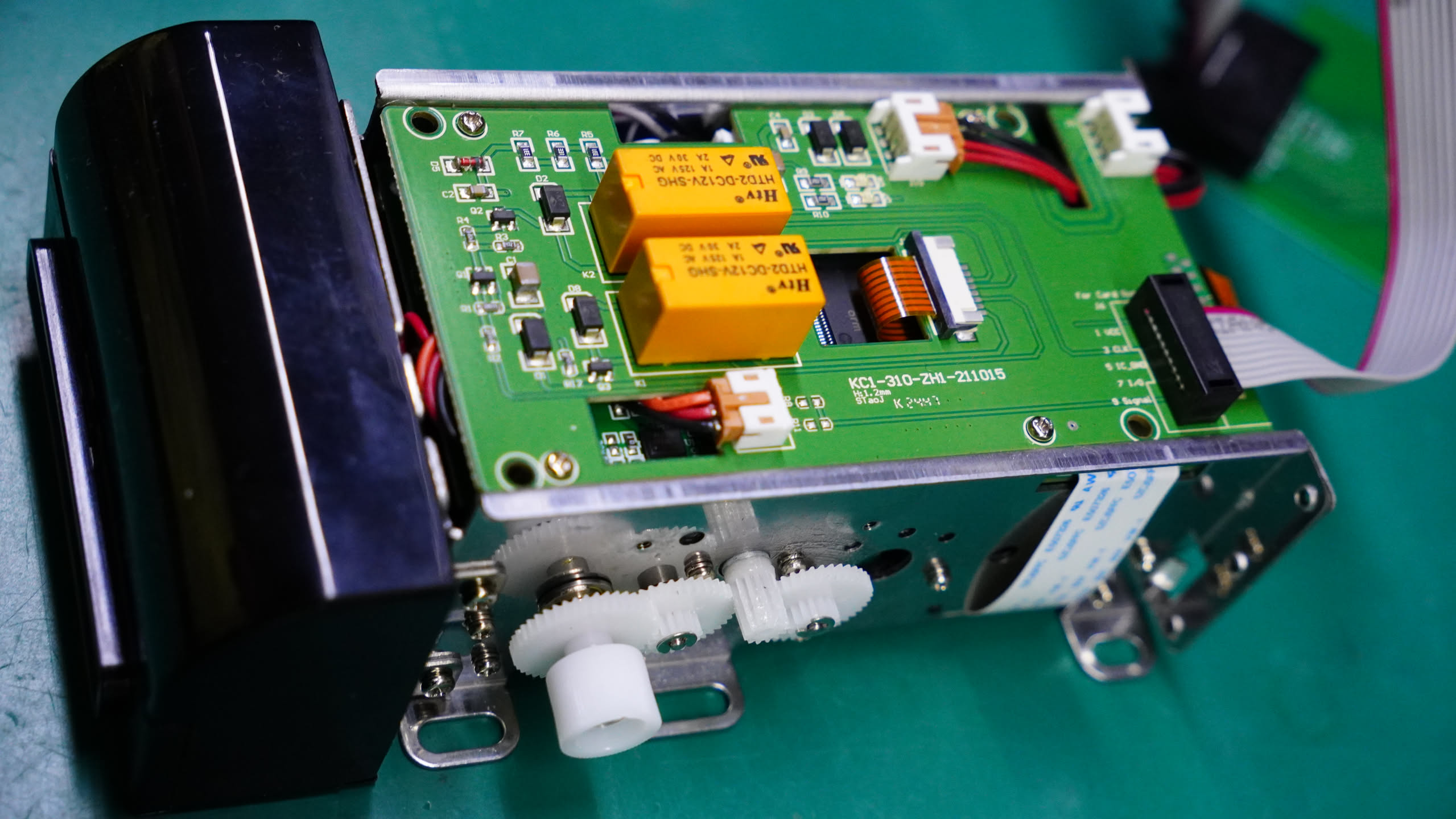
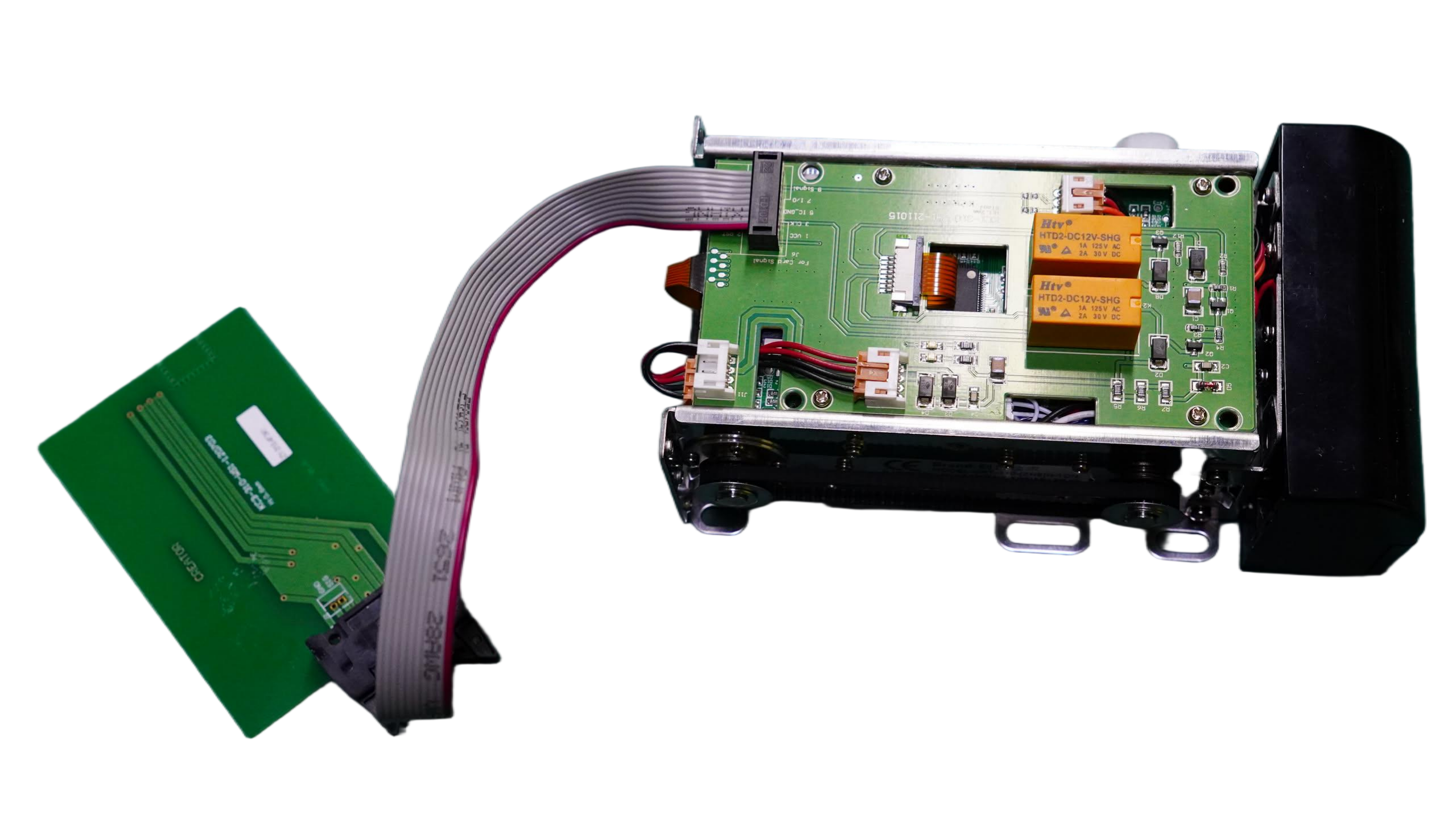
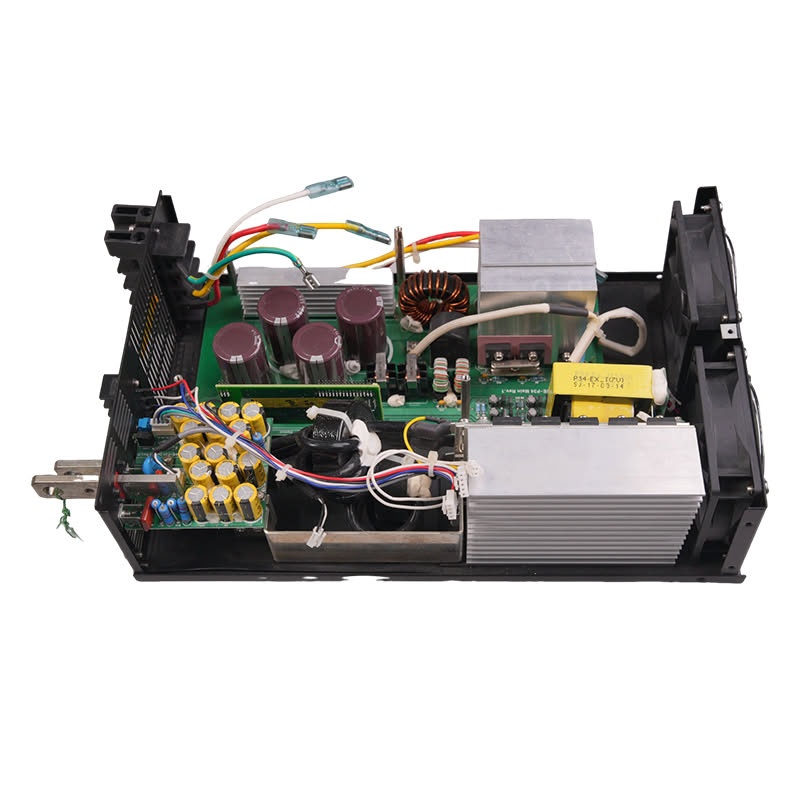
Box Build Assembly is the terminal integration link after PCBA production. It refers to the full-process service of integrating all components such as PCBA, cables, enclosures, and sub-assemblies into a complete functional product, covering mechanical assembly, electrical connection, system testing, packaging and shipping. Its core value lies in providing one-stop integrated solutions, reducing customers' supply chain management costs, shortening product launch cycles, and ensuring that finished products meet delivery standards in both function and appearance.
Contact us


Precisely fix the PCBA board completed with SMT/THT soldering into the enclosure or rack, including the installation of auxiliary components such as insulating gaskets and heat sinks to ensure board stability and heat dissipation.


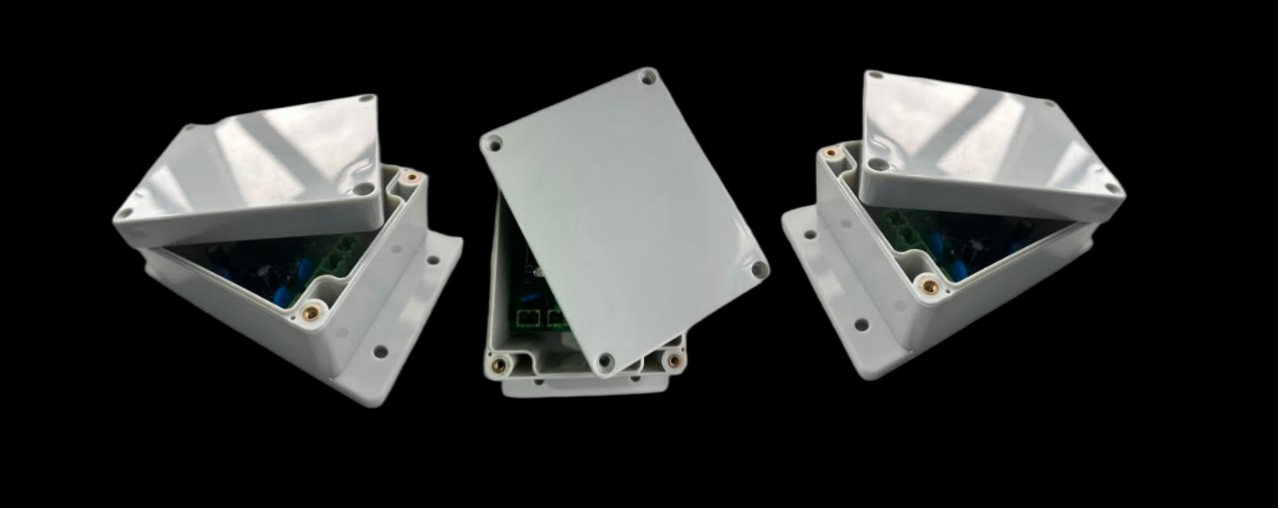
Complete the splicing and fastening of metal/plastic enclosures according to product requirements, as well as the installation of structural parts such as brackets, guide rails and buckles, to ensure the mechanical strength and protection performance of the product (such as IP rating adaptation).


Integrate power adapters, power modules, battery packs and other power supply components, complete the arrangement and connection of power cables, and ensure power supply stability and safety.

Custom Cable Harness Manufacturing
Connector Docking and Installation
Cable Arrangement and Fixing


Display Module Installation: Integrate LCD, LED display screens, nixie tubes and other display components
Operation Component Assembly: Install buttons, switches, knobs, touch screens and other operation components
Indicator Light & Warning Component Integration.
Detect the soldering quality and electrical parameters of components on the PCBA board, and troubleshoot open circuits, short circuits, wrong components and other problems.


Functional Testing (FCT): Simulate the actual working environment of the product, and test whether various functions of the finished product meet the design requirements.


Thermal Cycling Testing
Vibration & Shock Testing
Waterproof & Dustproof Testing


Compare the BOM list and design drawings to verify whether the component model, installation position, cable routing, etc. meet the standards, and ensure the consistency of mass production.


Burn firmware and configure parameters for the product, complete the adaptation and debugging of software and hardware, and ensure that the product is ready to use out of the box.


Apply three-proof paintto the PCBA board to improve the reliability of the product in harsh environments.
Potting core components to achieve sealing, insulation, shock resistance, heat conduction and other functions, suitable for special scenarios such as industry and military industry.


Provide anti-static packaging and buffer packaging according to customer needs, which can be directly shipped to end customers to simplify the customer\'s logistics link.
Bill of Materials (BOM): A comprehensive list including part numbers, quantities, specifications, and manufacturer details, serving as the core basis for cost estimation, material procurement, and production flow.
Electrical Schematics: Detailed representation of the product’s electrical system, including circuit diagrams, component connections, and power distribution details, used to understand product functionality and troubleshoot issues during assembly.
Assembly Drawings: Visual documents including exploded views, component placement instructions, and dimensional information, guiding precise component positioning and integration to ensure assembly consistency.
Testing Specifications: Define functional test procedures, performance benchmarks, and quality control checkpoints, serving as key standards to ensure product quality and compliance.
Packaging and Shipping Information: Specify packaging materials, methods, labeling requirements, and shipping instructions to ensure finished products reach end-users in perfect condition.
 Add: 803-804, Hisee International Commercial Center, Dongbin Road, Nanshan District, Shenzhen, China
 Tel: 0086-755-2664 8283
 E-mail: info@fully-hong.com


Copyright ©2025 Fully Hong Electronics Co.,Ltd. |A Professional And Reliable EMS/PCBA Partner.
