
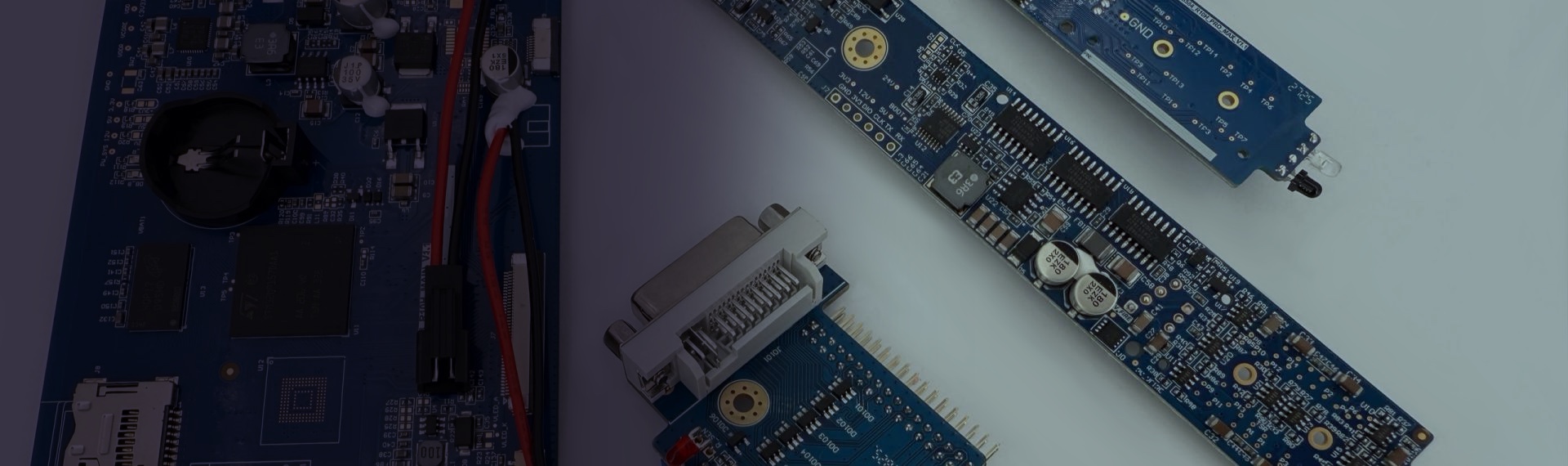
Serving as a key bridge connecting "design concepts" to "mass production implementation"
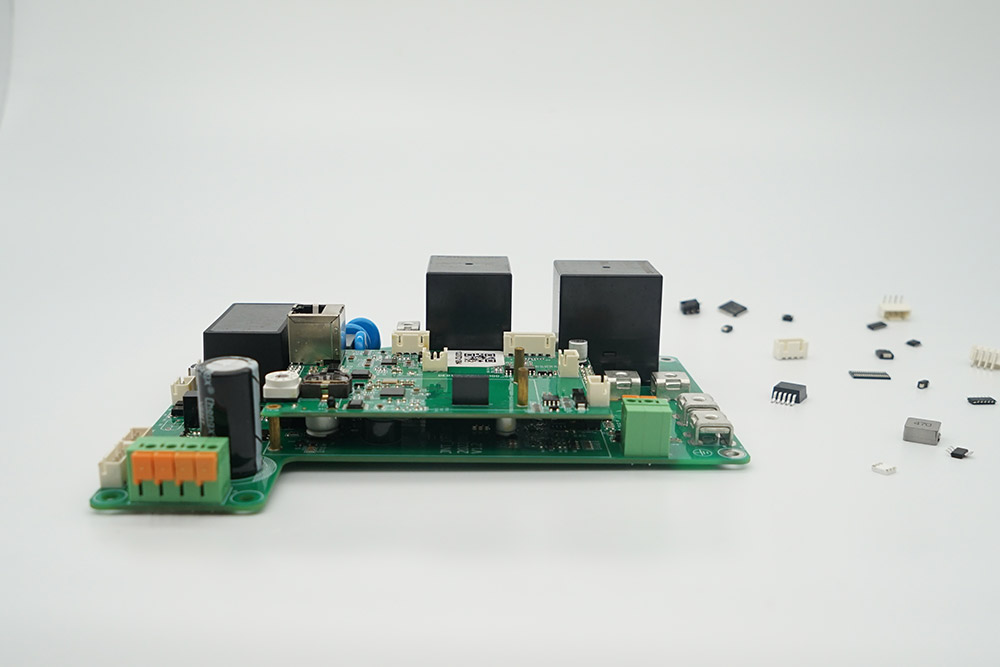
Prototype PCB Assembly is a core service in the PCBA manufacturing chain focusing on the R&D verification phase. It specifically refers to low-volume (usually 1-100 units) PCB assembly services for scenarios such as electronic product R&D, design validation, and small-batch trial production . Its core value lies in transforming design drawings into physical prototypes, helping R&D teams verify the rationality of circuit design, component compatibility, and process feasibility.
Contact us


By quickly converting Gerber files and BOM lists into functional prototypes (standard lead time 1 week expedited delivery available), it helps R&D teams verify design logic rapidly, identify and correct issues such as circuit layout, component selection, and signal integrity in a timely manner, preventing design flaws from being carried over to mass production. Industry data shows that efficient prototype assembly can shorten product R&D cycles by 30%-50%, seizing opportunities in market competition.


During the prototype assembly phase, Design for Manufacturability (DFM) analysis and process compatibility testing are conducted simultaneously to pre-avoid potential issues in mass production such as placement offset, soldering defects, insufficient thermal management, and inconvenient testing . For example, verifying reflow soldering temperature profiles and optimizing stencil design through prototype soldering ensures subsequent mass production yield stability above 99%.


Targeting low-volume R&D needs, flexible material procurement solutions are provided (supporting minimum package purchase and alternative component recommendations) to avoid material backlogs caused by bulk purchases . Meanwhile, precise process control and defect rework reduce prototype scrap rates due to design errors, with an average 20%-40% reduction in R&D trial-and-error costs per project.


In addition to basic assembly, professional service providers offer value-added services such as DFM optimization suggestions, component alternative selection, signal integrity testing, and thermal performance analysis. These help R&D teams optimize design schemes during the prototype phase, such as impedance matching optimization for high-frequency circuits and heat dissipation design for power devices, enhancing core product performance.
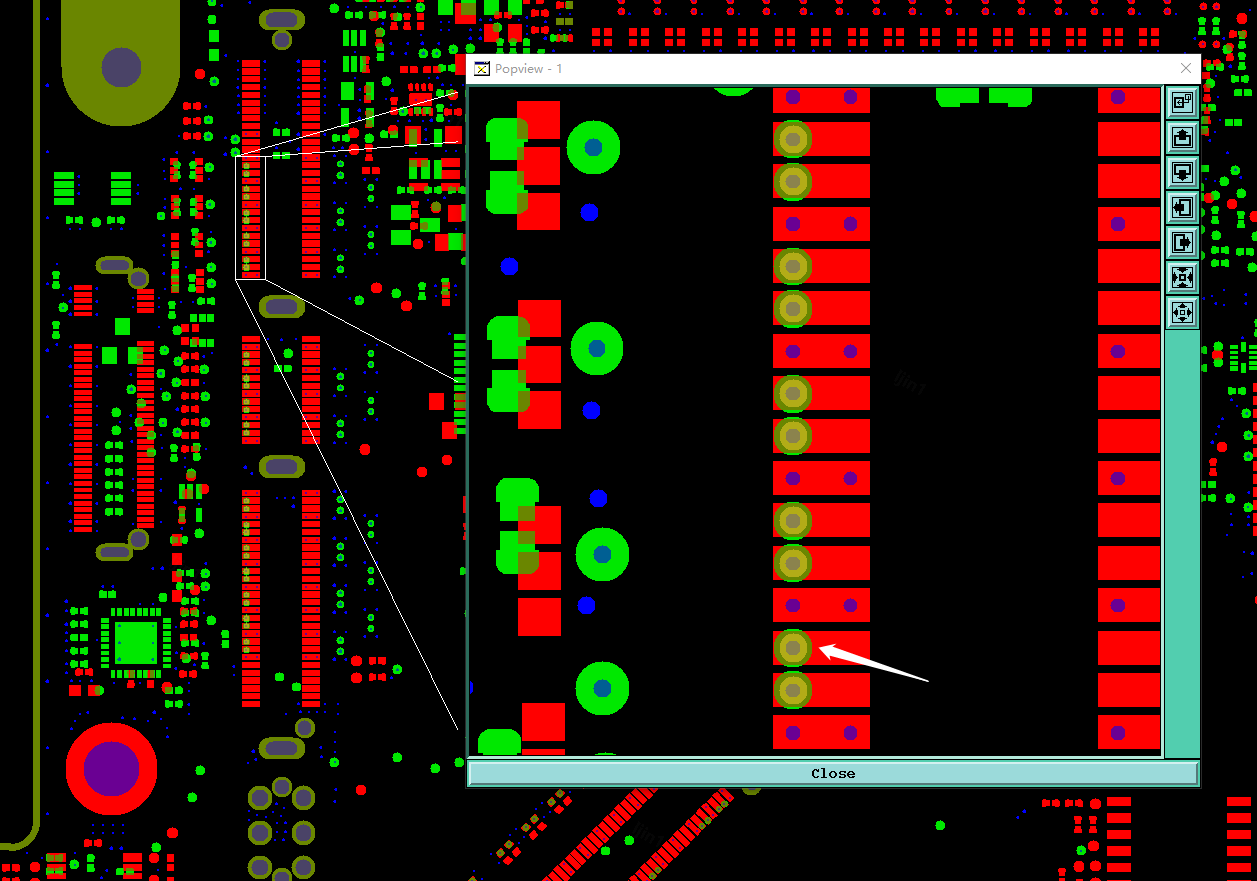
Component Layout
Pad Design
Via Processing
Test Design
Material Compatibility
Incoming Quality Control (IQC) In-Process Quality Control (IPQC) Final Quality Control (FQC/OQC)
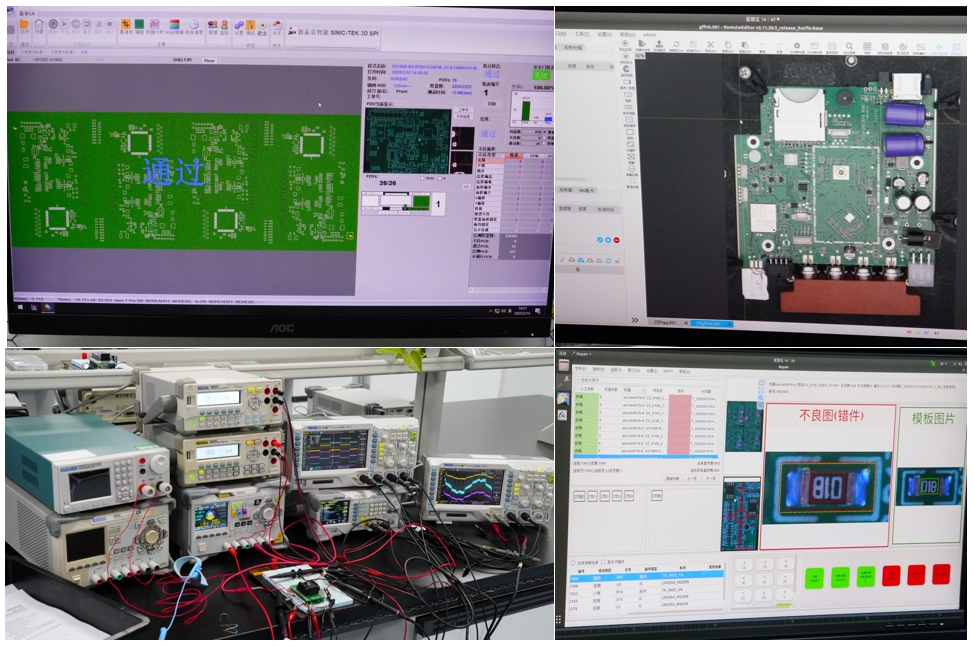
Core Production Equipment Inspection Equipment Auxiliary Equipment
 Add: 803-804, Hisee International Commercial Center, Dongbin Road, Nanshan District, Shenzhen, China
 Tel: 0086-755-2664 8283
 E-mail: info@fully-hong.com


Copyright ©2025 Fully Hong Electronics Co.,Ltd. |A Professional And Reliable EMS/PCBA Partner.
