
Moisture-proof, Salt Spray-proof, and Mold-proof
To enhance insulation, impact resistance, and high-low temperature resistance
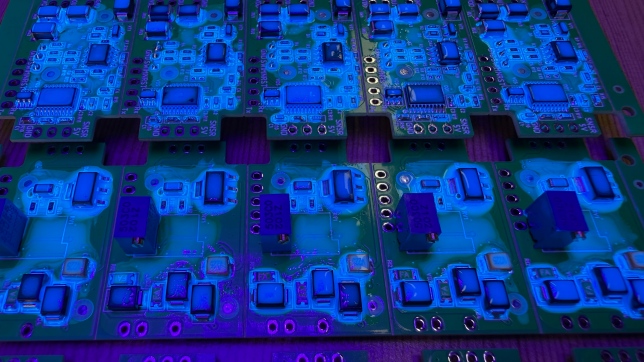
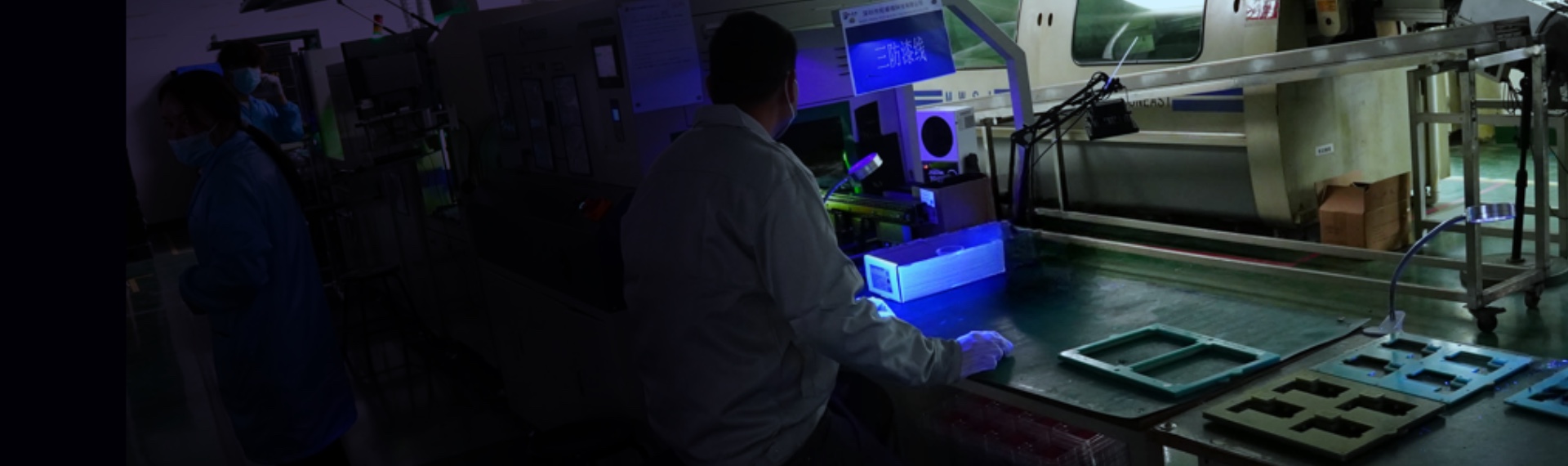
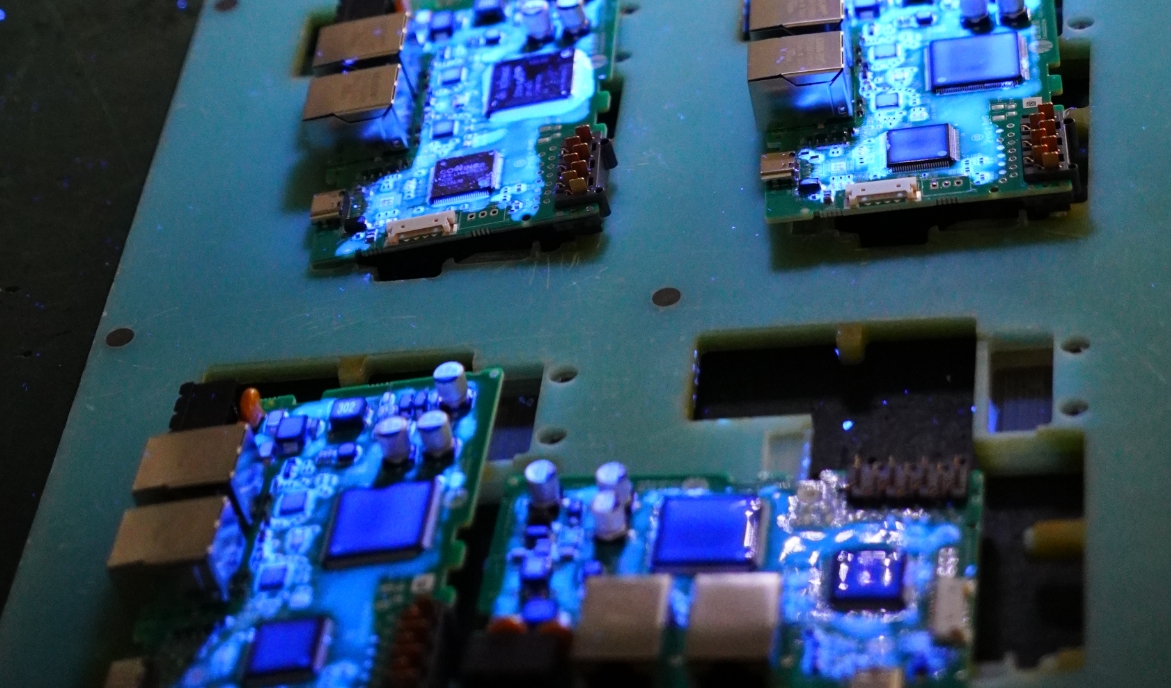
Conformal Coating is a key post-processing process for PCBA. It refers to forming a uniform and dense protective film on the surface of circuit boards and components through specific coating methods. Its core functions are moisture-proof, Salt spray-proof, and Mold-proof (three-proof), and it also has additional values such as enhancing insulation, impact resistance, and high-low temperature resistance. Its core role is to isolate the erosion of PCBA by harsh environments, reduce the risk of failures such as short circuits and corrosion, extend the service life of electronic equipment, and ensure the stable operation of products under complex working conditions.



A core preparation link before PCBA coating, including cleaning (removing surface oil, dust, and flux residues), drying (ensuring no moisture on the surface to avoid coating blistering), and masking (shielding and protecting areas that do not need coating, such as connectors, test points, and gold fingers).


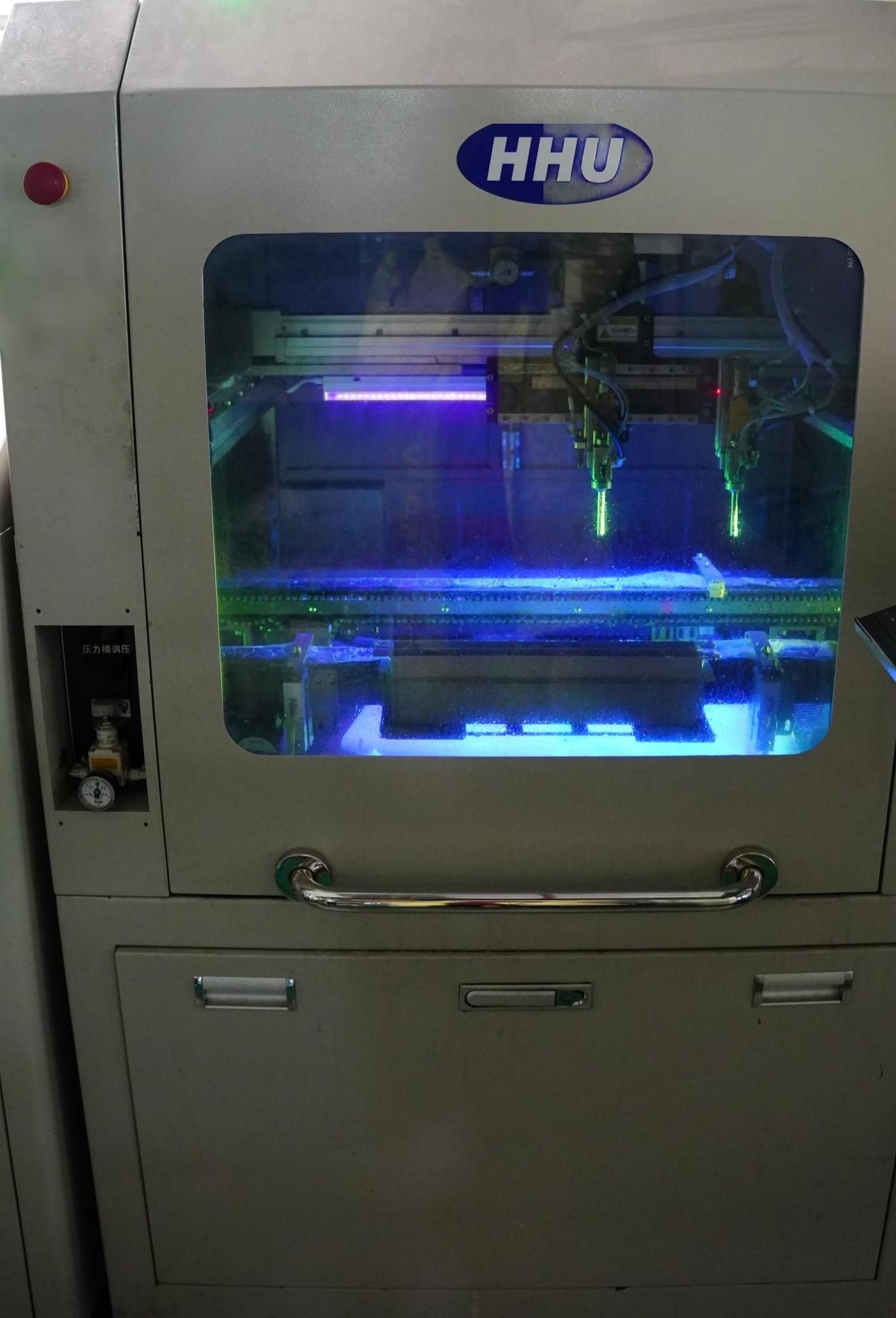
Select appropriate processes according to product requirements and mass production scale: spraying (suitable for mass production, uniform coating), brushing (suitable for small batches and local touch-up, flexible operation), dipping (suitable for PCBA with simple structure, comprehensive coating), selective coating (precisely coats target areas, avoids masking process, high efficiency).


Select curing methods according to coating types: solvent-based (natural volatilization or heating to accelerate curing), UV curing (ultraviolet irradiation curing), moisture curing (relying on environmental moisture to complete curing), dual curing (such as UV-moisture dual curing, solving the curing problem of shadow areas). During the curing process, temperature, humidity and time need to be controlled to ensure stable coating performance.


Remove the masking material, conduct appearance inspection on PCBA (no bubbles, cracks, or sagging in the coating), thickness detection (meeting design requirements, usually 25μm~150μm), adhesion test (coating not easy to fall off); conduct environmental tolerance tests (high-low temperature cycle, salt spray, damp-heat aging, etc.) when necessary.
Coating uniformity:
No defects such as sagging, pinholes, or craters on the surface, and the thickness deviation is controlled within ±10%
Adhesion:
No coating peeling through cross-cut test or tape test
Protective performance:
After damp-heat, salt spray, high-low temperature cycle tests, the electrical performance of PCBA is normal
Insulation performance:
Dielectric strength and insulation resistance meet design standards to avoid short-circuit risks.
 Add: 803-804, Hisee International Commercial Center, Dongbin Road, Nanshan District, Shenzhen, China
 Tel: 0086-755-2664 8283
 E-mail: info@fully-hong.com


Copyright ©2025 Fully Hong Electronics Co.,Ltd. |A Professional And Reliable EMS/PCBA Partner.
