
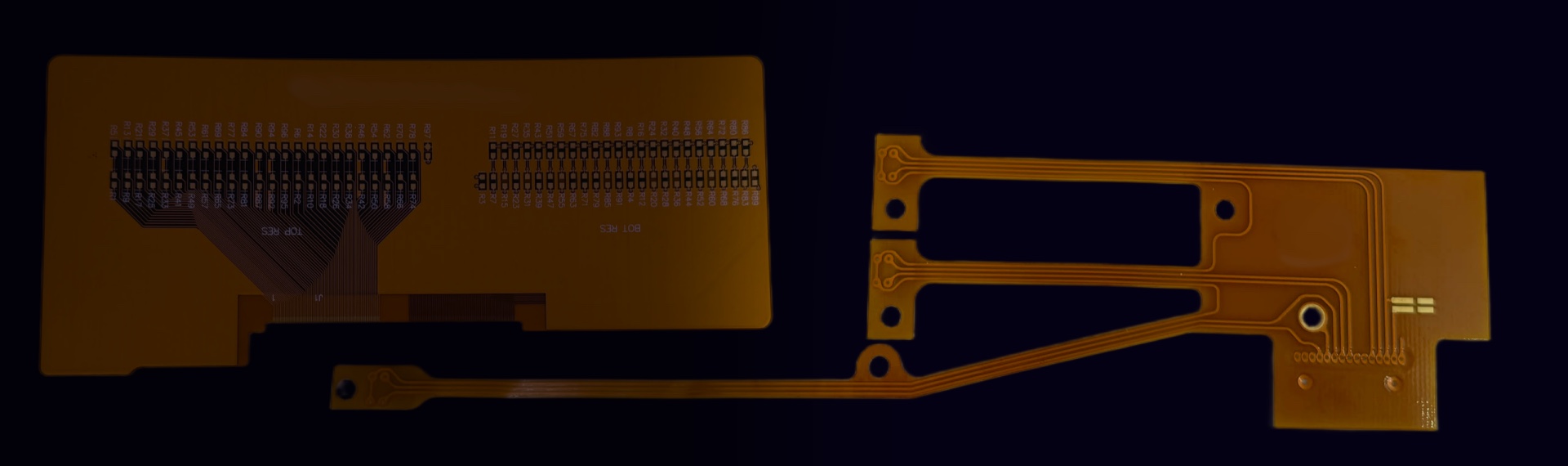
Leveraging the physical characteristics of flexible substrates to realize arbitrary circuit layout in 3D space.
Adapting to special-shaped structures, dynamic bending, and narrow-space installation scenarios.
Serving as a key carrier connecting "thin and light design" with "complex function realization".
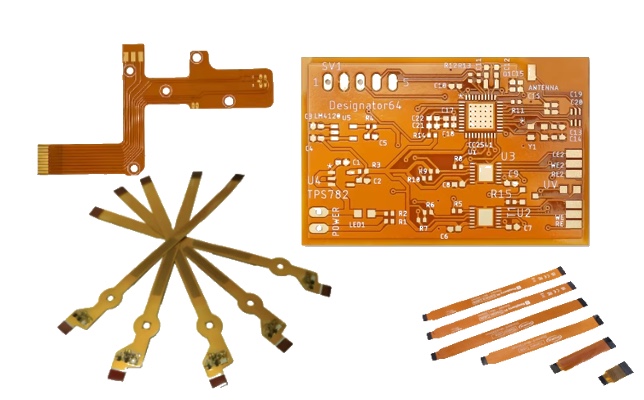
Flex PCB Assembly refers to a core PCBA service based on flexible substrates (mainly polyimide (PI) and polyethylene terephthalate (PET)). It precisely mounts/inserts electronic components on Flexible Printed Circuits (FPC) through SMT, THT, or hybrid processes, and forms functional modules with bendable, foldable, and dynamic stress-resistant properties after soldering, inspection, and post-processing.
In the PCBA industry, the core positioning of flex assembly is "form adaptation, dynamic reliability, and space optimization". Compared with rigid PCB assembly, it emphasizes substrate compatibility, process stress-resistant design, and dynamic environmental stability, requiring solutions to core pain points such as flex board deformation, soldering thermal damage, and bending failure.



Breaking the planar limitation of rigid PCBs, it can realize 360° bending, folding, or curling installation, perfectly adapting to special-shaped structures such as smart watch straps, foldable screen hinges, and medical catheters. The integrated circuit design reduces the use of connectors, and helps terminal products achieve the core demand of thinness, lightness, and miniaturization.

Adopting Rolled Annealed Copper conductors and special flexible adhesives, with professional bending design, it can withstand and maintain stable electrical performance under vibration, impact, and high-low temperature cycle environments, suitable for harsh scenarios such as automotive and industrial control.


Supports rigid-flex PCB assembly, realizing integration of flexible wiring& rigid bearing, reducing cable connection and assembly processes, lowering labor costs and assembly error rates; at the same time, optimizing component layout to improve space utilization and reduce material loss, with comprehensive project costs reducible


Customize substrate thickness, bending areas, reinforcement structures, and protective processes (waterproof, ESD, corrosion-resistant) according to terminal product characteristics, adapting to full-scenario needs from consumer electronics low-volume R&D to industrial-grade mass production, providing design-procurement-assembly-testing full-link customized services.
Basic Processes: Supports SMT (Surface Mount Technology), THT (Through-Hole Technology), and hybrid processes. Compatible with 01005/0402 ultra-small packages, QFP/BGA fine-pitch packages, DIP through-hole packages, and special-shaped connectors, meeting different component layout needs.
Rigid-Flex Integration Process: Proficient in integrated assembly of rigid areas (FR-4/stainless steel stiffeners) and flexible areas, realizing rigid support for connector interfaces and component bearing areas and flexible adaptation for wiring areas, solving structure-function compatibility issues of complex products.
Low-Temperature Process Adaptation: According to the heat resistance of PI/PET substrates (PI temperature resistance 260-288℃, PET temperature resistance ≤200℃), uses low-temperature solder paste (Sn42Bi58, melting point 138℃) and customized reflow profiles, with peak temperature controlled at 180-200℃ to avoid substrate blistering, delamination, or discoloration.
Placement Accuracy Control: Uses high-precision placement machines (equipped with visual compensation systems) combined with magnetic carriers or vacuum adsorption workbenches to achieve ±0.025mm placement accuracy; for flex board deformation characteristics, real-time coordinate compensation technology ensures fine-pitch component (0.15mm pitch BGA) placement yield ≥99.8%.
Soldering Quality Control: Adopts nitrogen reflow soldering (oxygen content<500ppm) to reduce oxidation, with full-process control through SPI (Solder Paste Inspection), AOI (Automatic Optical Inspection), and X-Ray (hidden solder joint inspection); solder joint wetting angle ≤45°, BGA solder joint void rate ≤20%, meeting IPC-A-610 Class 2/3 standards.
Environment and Stress Control: Production workshop with constant temperature 23±3℃, humidity 45%-65%, equipped with ESD flooring and grounding system (ground resistance ≤1Ω); all flex boards are fixed by special fixtures to avoid tensile or wrinkling stress during processing.
Reinforcement Process: Attaches FR-4 or stainless steel stiffeners to connector and component mounting areas to improve insertion force and load-bearing capacity, with bonding strength between reinforcement layer and FPC ≥1N/cm.
Protective Process: Provides nano waterproof coating (thickness 5-10μm, IPX4-IPX7 level), conformal coating, and EMI shielding treatment, adapting to humid, dusty, and electromagnetic interference scenarios.
Reliability Testing: Conducts dynamic bending testing high-temperature and high-humidity aging , salt spray testing, etc., in accordance with IPC-6013DA standards to ensure long-term stable operation of products.
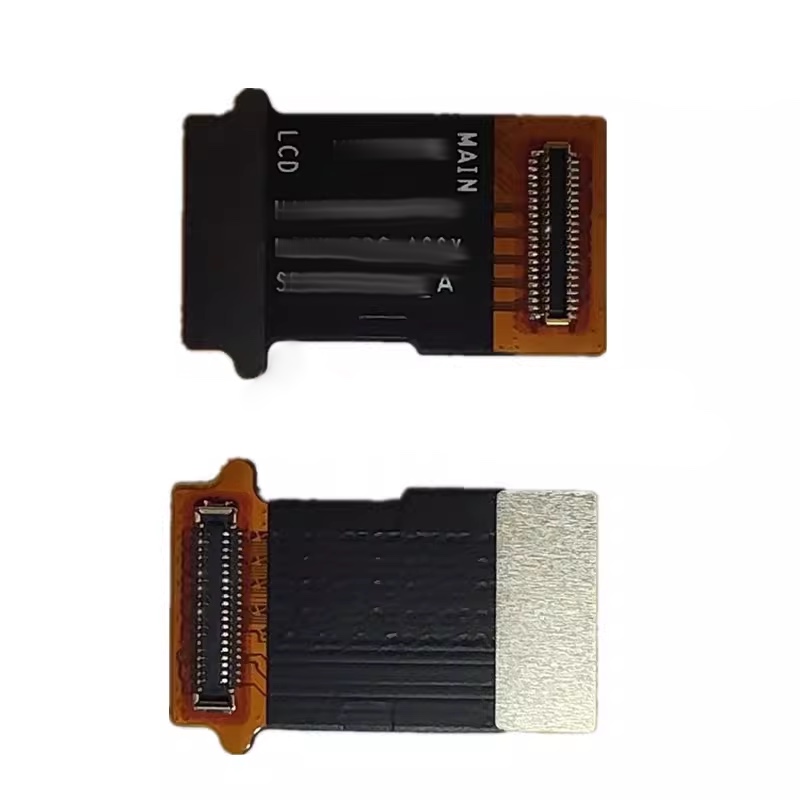
Smart wearables (smart watch/bracelet flexible antennas, sensor modules), foldable phones (hinge area flexible circuits, camera modules), wireless earphones (battery connection flex boards, audio modules).
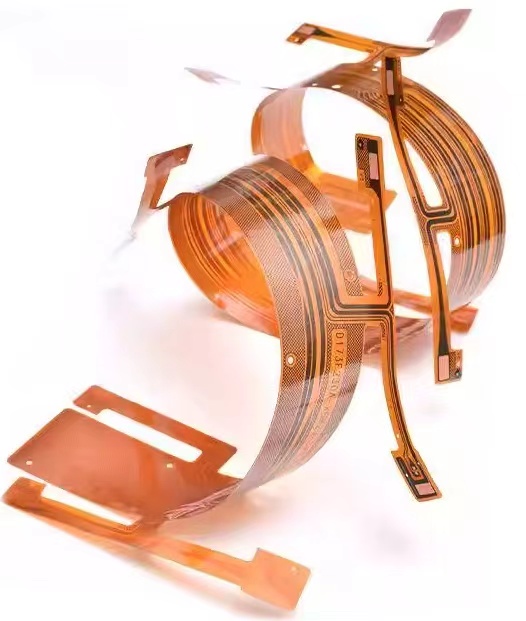
Automotive smart cockpits (central control screen flexible connections, ambient light circuits), new energy vehicles (BMS flexible collection lines, sensor connection lines).
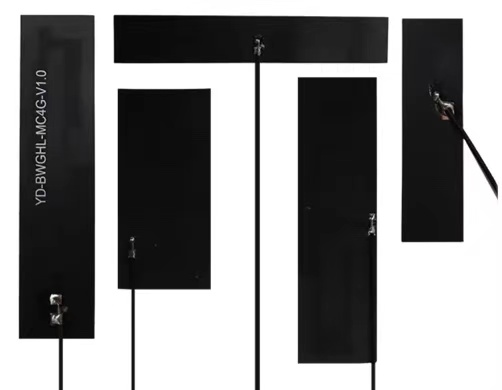
IoT sensors (special-shaped installation flexible modules), industrial robots (joint flexible circuits)
 Add: 803-804, Hisee International Commercial Center, Dongbin Road, Nanshan District, Shenzhen, China
 Tel: 0086-755-2664 8283
 E-mail: info@fully-hong.com


Copyright ©2025 Fully Hong Electronics Co.,Ltd. |A Professional And Reliable EMS/PCBA Partner.
