
Enabling the "cold circuit board" composed of only components
to have specific functions, completing the essential transition from "hardware shell" to "intelligent terminal".
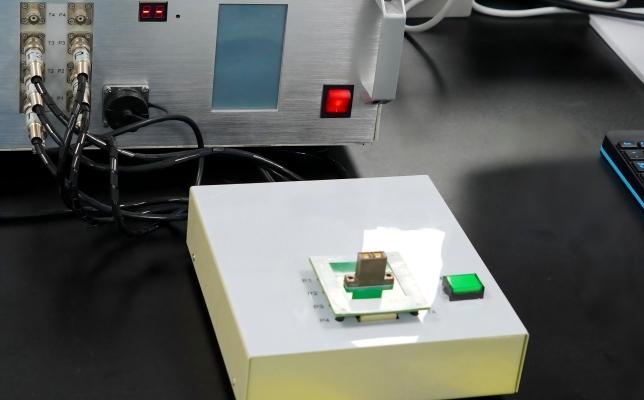
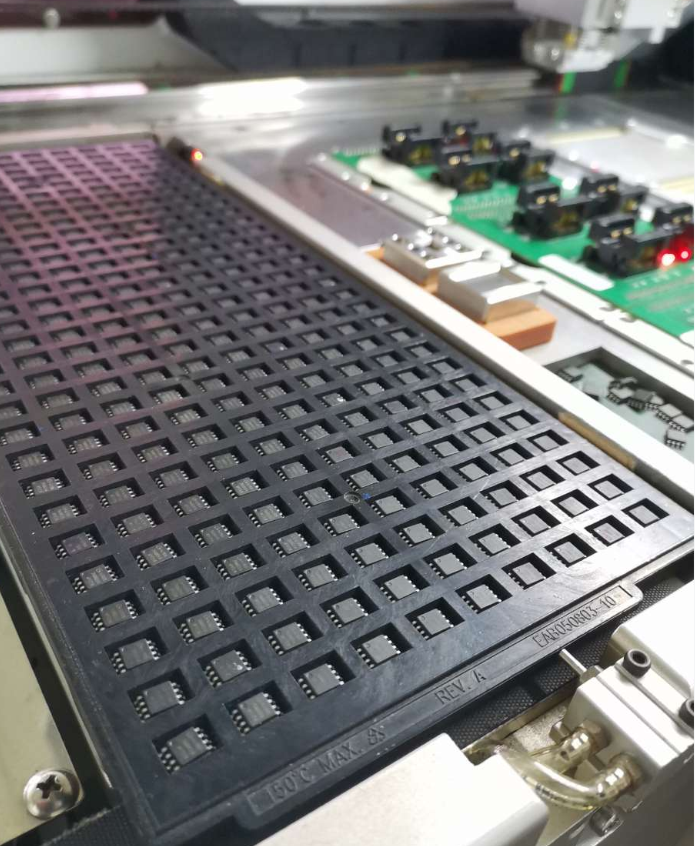
IC Programming refers to the key process of writing preset firmware programs, functional logic, or encryption protocols into the integrated circuits (ICs) on PCBA. Through professional equipment and chip communication buses (such as JTAG, USB, UART, etc.), it realizes the in-depth integration of hardware and software.



Complete chip parameter calibration through programming to make hardware performance reach the optimal design value. For example, sensor chips eliminate temperature drift and zero drift errors by burning calibration coefficients, improving measurement accuracy by 15%-20%; power management ICs set output voltage ripple parameters through programming to adapt to different load scenarios, ensuring the stable operation of terminal equipment. Without accurate programming calibration, hardware performance will be difficult to give full play, and even functional deviations may occur.


Encrypted programming can effectively resist reverse engineering and malicious attacks. For example, when burning the national secret SM2 algorithm for financial terminals, a physically isolated burning station is used to ensure key security; the STM32 series chips enable RDP Level 1 read protection, and triggering full-chip erasure when the protection is lifted to prevent firmware leakage. The three-level protection mechanism can increase the difficulty of product cracking by more than 80%.


Rely on programming flexibility to achieve product differentiated adaptation, meeting different customer or scenario needs without modifying hardware design. For example, a smart home manufacturer enables the same hardware main control board to adapt to multiple types of terminals such as smart lights, curtain motors, and sensors by burning different firmware versions; in the industrial control field, communication protocols (Modbus, Profinet) can be switched through programming to adapt to different brands of industrial control equipment, significantly reducing hardware customization costs.


Synchronously record key data such as chip ID, firmware version, programming time, and operators during the programming process to form a traceable electronic file. When quality problems occur, the problematic batch can be quickly located and the cause of the fault can be investigated. For example, a medical device manufacturer shortened the investigation time of defective products in a batch from 24 hours to 3 hours through programming traceability; it also meets the traceability requirements of industry standards such as IATF16949 and ISO13485.
Device Programming (Offline Programming)
Operation Stage: Before chip soldering
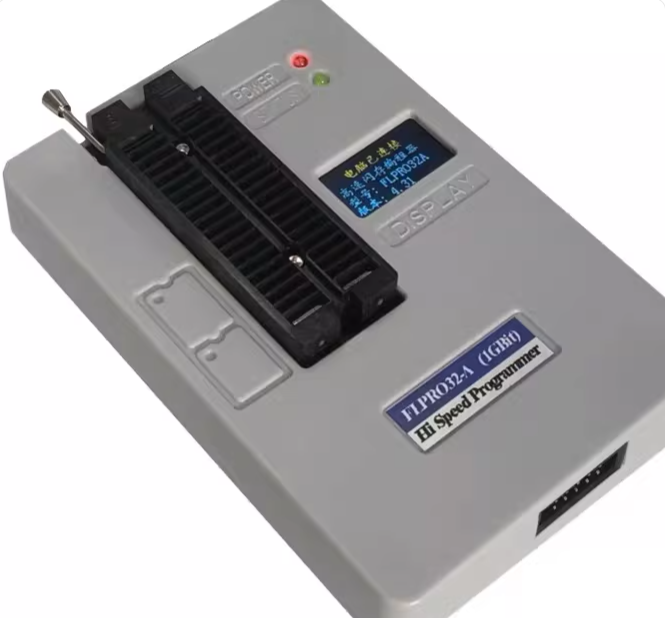
Core Principle: Place bare chips into programmer sockets and pre-write programs
Applicable Scenarios: High-volume production (such as consumer electronics), products without on-board programming interfaces
Advantages: Fast speed, avoiding post-soldering chip damage risk
ISP (In-System Programming)
Operation Stage: After chip soldering
Core Principle: Connect programmer through PCB reserved interfaces (SPI/I2C/UART)
Applicable Scenarios: On-site upgrades, small-batch production (such as industrial equipment)
Advantages: No need to disassemble chips, supporting after-sales maintenance
ICP (In-Circuit Programming)
Operation Stage: After chip soldering (fully assembled board)
Core Principle: Access JTAG/SWD interface through test points, with debugging functions
Applicable Scenarios: R&D debugging, complex boards (such as medical equipment)
Advantages: Real-time code debugging, locating hardware/software issues
OBP (On-Board Programming)
Operation Stage: Mass production line
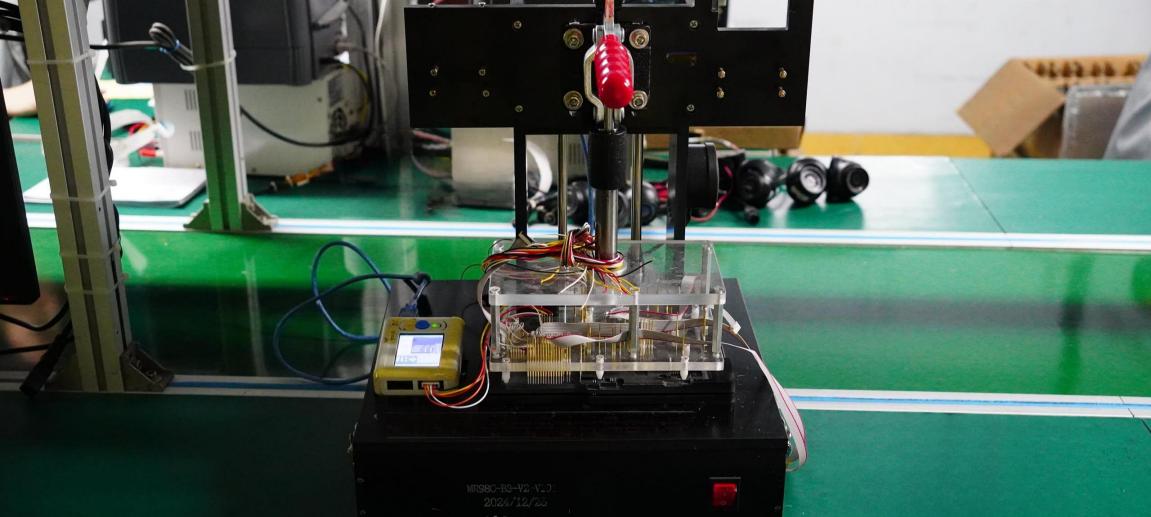
Core Principle: Integrated into Automated Test Equipment (ATE) to complete programming + testing synchronously
Applicable Scenarios: Large-scale PCBA mass production (such as automotive electronics production lines)
Advantages: High degree of automation, improving production line pass rate (>99.5%)
IAP (In-Application Programming)
Operation Stage: During chip operation
Core Principle: Software partition implementation (Bootloader + application area), no additional tools
Applicable Scenarios: Remote upgrades (such as 4G IoT devices)
Advantages: No on-site operation, supporting batch remote firmware updates
 Add: 803-804, Hisee International Commercial Center, Dongbin Road, Nanshan District, Shenzhen, China
 Tel: 0086-755-2664 8283
 E-mail: info@fully-hong.com


Copyright ©2025 Fully Hong Electronics Co.,Ltd. |A Professional And Reliable EMS/PCBA Partner.
